


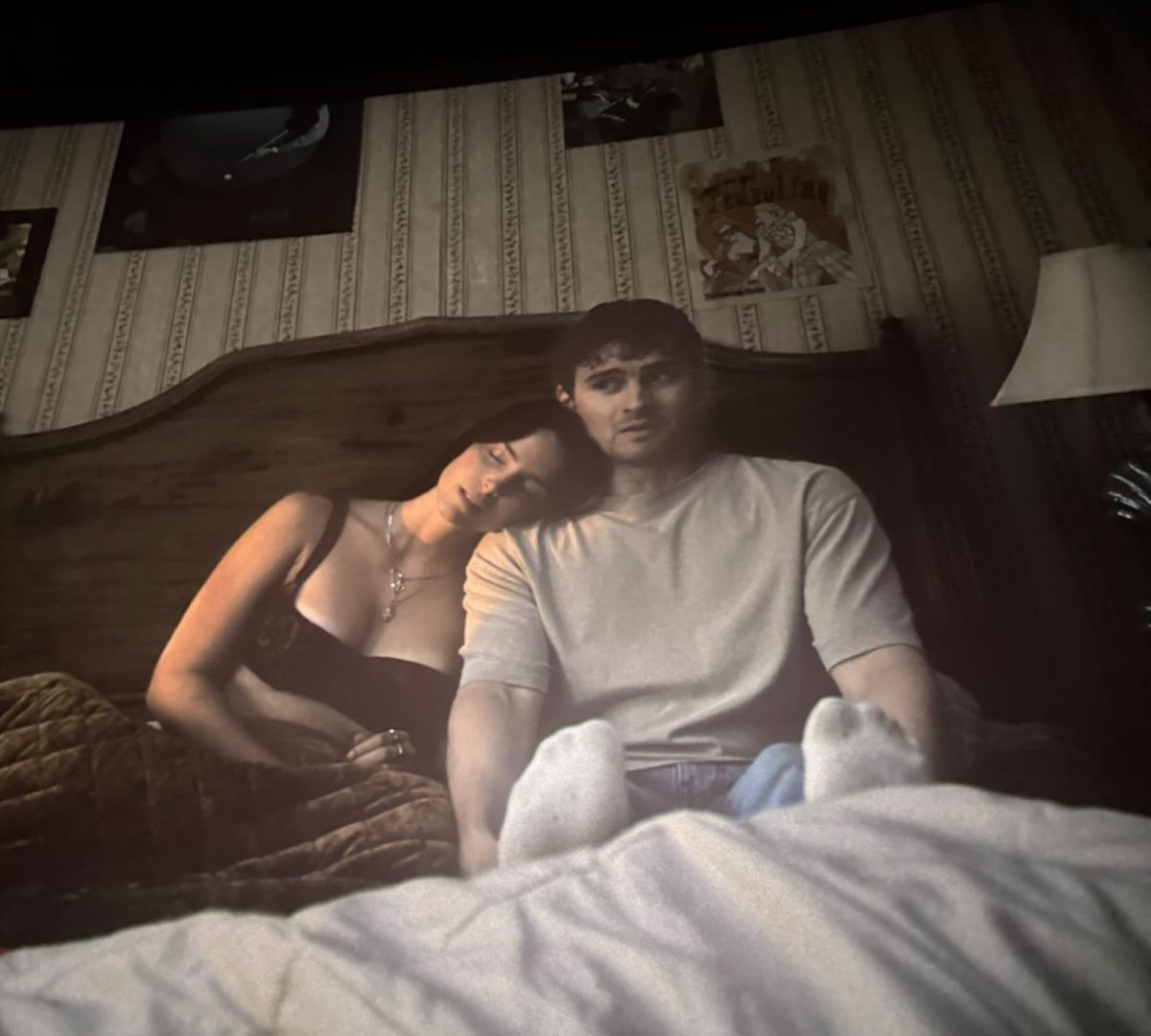































On June 27, 2003, 28 Days Later stood as the first installment in the 28 series by director Danny Boyle. In the first movie, a man, Jim, wakes up in the hospital to find that everyone in London has disappeared. He soon discovers that within his 28-day coma, an epidemic had begun which turned humans into “rage-filled monsters” (essentially very violent zombies). This virus is spread through blood contact, and considering the nature of the infected, it spreads fairly quickly. In the previous movie, 28 Years Later, we are introduced to a family with a sick mother and proud father and son. This family lives in a secluded town that is protected from the infected on the outside. For the son’s birthday, he and the father leave to hunt the infected and plan to return shortly after. After a series of traumatizing events, Spike leaves the town on his own for good and decides to find himself in the outside world. During this process, he meets the Jimmy gang, which is where the previous movie ends, and the new one, 28 Years Later: The Bone Temple by Nia DaCosta, begins.
28 Days Later was very popular immediately upon its release due to its separation from most conventional zombie movies. Instead of the monsters being brain-dead and easy to kill, these monsters pose a significant obstacle to the very few survivors because they are technically still human. Additionally, the original movie introduces the surviving humans as the real villains, when Jim and his companions meet a group of soldiers that eventually try to kill them despite acting hospitably. Boyle’s idea of hiding a “man vs. man” theme under a “man vs. monster” theme is why I believe this movie did so well. The idea in this universe is to do whatever you can to keep yourself alive, even if that means leaving behind those you love. This presents profound philosophical ideas about the reality of human nature and the things we find ourselves capable of when the world is no longer in order. This is perfectly reflected in The Bone Temple, as the gang Spike meets are vicious Satanists that believe it is their duty to spread Satan’s ideas by performing terrible acts on people who stand in their way.
This film particularly focuses on controlling people through enforcing fear and violence, which is also presented as the primary way to survive. The Jimmy gang performs “charities” on people by torturing them, and by doing so they establish their power over them. These people are notorious for their acts, which is why most groups choose to steer clear of them. Additionally, there is a doctor in the middle of it all, Doctor Ian Kelson, that has a literal bone empire — something he describes as a token of remembrance for those who have lost their lives. This empire consists of numerous pyres of human skulls, both of those who were and were not infected, that are stacked upon each other reaching great heights. Ian constantly repeats the phrase “memento mori,” meaning “remember you must die.” These towers are symbolic of the setting and tone of the story, presenting the grim and violent reality that these characters have found themselves in.
Another theme within this series is the idea that the characters are simply reflections of the system they are forced under. Most characters in this story either were born into the epidemic, meaning they have no backstory besides the need to survive, or have nearly completely forgotten what it was like to live in peace. This emphasizes the idea that most characters do not have a sense of identity, which makes them angry and violent towards the world. It is almost as if there are two viruses: one which the infected are facing, and one which the survivors must also face every day. Even the leader of the Jimmy gang, Jimmy, describes the brutal passing of his sister and mother, and his witnessing of his father, a priest, becoming infected. However, he does not remember much else except this brutality and violence which he then projects onto others to gain control over the voices in his head and his episodic visions.
Personally, I believe that this movie is about the nature of humanity that remains consistent before and after the epidemic. The former is represented through the lack of complexity in most characters and how their means for survival are the primary thing that is shown. This can be seen in every character, as the only one who has a backstory is Spike, the only main character who is born into the epidemic. Spike represents a new era of people who must rebel against the violence in the system so that everyone can evolve past their stagnation. He is the only character that represents what humanity can be, not just what it is and was. I believe that the latter is shown by how people immediately turned to violence in the original film, showing that all that humans needed was one disaster to display who they are at their core. The epidemic stripped all of the flashy outerwear of society before the epidemic to show that violence remained a constant through it all. Whether it is the violence seen between a government and its people, between people in traffic, or between siblings, violence was still all around, just not perceived as a primary problem between all of the materialistic things people had to deal with. Now that there is nothing else besides the people (no trains, companies, jobs, money, or governments), they have to face the world that they left themselves with.
I believe 28 Years Later: The Bone Temple was one of the most profound and brilliant installments of the series, as the characters are beginning to become more complex, and the end of the epidemic seems to be relatively near. This movie was better than I expected it to be, and this reaction has been consistent with each new release. The themes and the characters are expertly presented, and the reality of the world seems somewhat reflective of the reality of the real world, just displayed in an off putting and grim light. I believe this movie is very relevant to understanding the workings of our current world, and should be seen through a reflective eye instead of a judgmental one. So, if you find yourself wanting a new movie that represents so much more than you could possibly imagine, this is the only movie I would recommend.